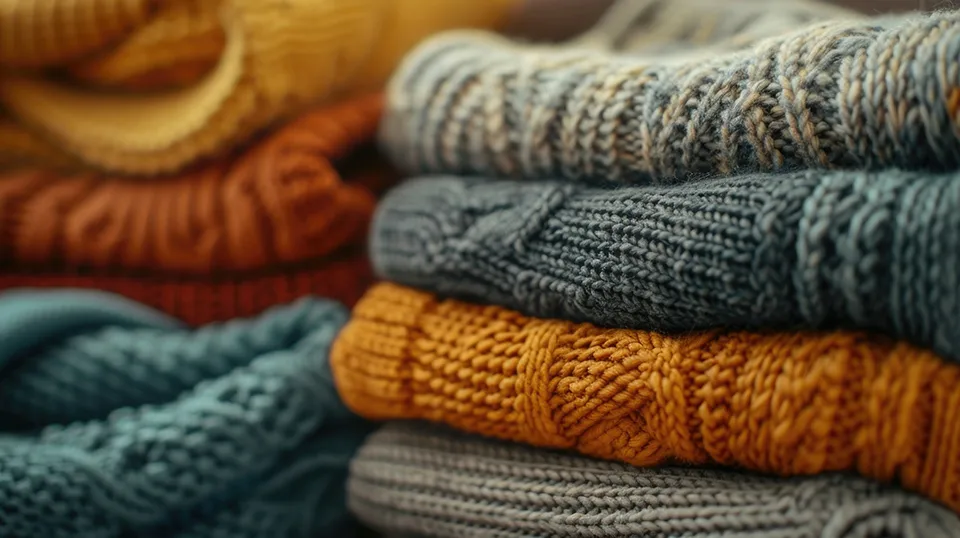
The first cool morning in Albuquerque has a way of sending everyone straight to the closet. Out come the cashmere sweaters, the wool coats, and the scarves you have been waiting all summer to wear. There is something special about pulling on a soft, warm layer and feeling ready for the season.
These pieces earn their place in your wardrobe. Wool and cashmere are natural fibers, and they respond to care very differently than your everyday cotton. Treat them well, and they will keep their softness, their shape, and their color for many winters to come. Treat them like a regular load of laundry, and they can shrink, stretch, or lose that luxurious feel in a single wash.
This guide walks you through everything you need: how often to clean these fabrics, what you can safely do at home, how to handle pilling, how to store your pieces, and when a professional clean makes the biggest difference.
Why Wool and Cashmere Need Special Care
Wool and cashmere come from animal fibers, and those fibers have a unique structure. Each strand has tiny overlapping scales on the surface. When heat, water, and friction work together, those scales lock into each other, and the fabric tightens and shrinks. That process is called felting, and you cannot reverse it.
Cashmere adds another layer of sensitivity. The fibers are much finer than regular wool, which gives the fabric its incredible softness and also makes it more delicate. A rough wash, a hot dryer, or even a snag on a zipper can leave a lasting mark.
The good news is that natural fibers also have real strengths. Wool resists odor, repels light moisture, and bounces back from wrinkles. When you understand how the fabric works, caring for it becomes simple.
How Often to Clean Wool and Cashmere
Most sweaters need cleaning after 5 to 8 wears, and a wool coat needs a professional clean about once a season, or sooner if you notice stains or odors. Wool naturally resists dirt and smells, so fresh air does a lot of the work for you. After you wear a piece, hang your coat or lay your sweater flat in a well-ventilated spot for a day. That simple habit refreshes the fibers and extends the time between cleanings. Over-washing is the most common reason these fabrics lose their softness and shape.
Clean a piece right away when you notice any of these signs:
- A visible stain, even a small one
- A lingering odor after airing out
- Body oils or perspiration around the collar and cuffs
- A dull, flat look to the fabric
- Dust or dirt settled into the fibers after a season of wear
Caring for Wool and Cashmere at Home
Your first step is always the care label. If it says “hand wash” or “machine wash gentle,” you can clean the piece at home with a little patience. If it says “dry clean only,” trust the manufacturer. That label exists because the fabric, the lining, or the construction cannot handle water.
For pieces that allow hand washing, follow these steps:
- Fill a clean basin with cool water and add a small amount of detergent made for wool or delicates.
- Press the garment gently into the water and let it soak for about 10 minutes.
- Rinse in cool water. Do not wring or twist the fabric.
- Press out the extra water with your hands, then roll the piece in a clean towel to absorb the rest.
- Reshape the garment and lay it flat to dry, away from direct sun and heat.
Three things cause most of the damage at home: hot water, strong agitation, and the dryer. Even one warm cycle can change the fit permanently, so keep everything cool, gentle, and slow. Never hang a wet sweater to dry, because the weight of the water stretches the shoulders and sleeves.
Preventing and Removing Pilling
Pilling frustrates almost everyone who owns a favorite sweater, and it does not mean your piece is poor quality. Friction pulls short fibers loose from the surface and tangles them into small balls. Cashmere pills more easily because its fibers are so fine, and areas that rub often, like the underarms and sleeves, show it first.
You can remove pills in a few minutes with a fabric shaver or a sweater comb. Work gently across the surface and lift the pills away without pressing hard. Skip the habit of pulling them off by hand, because that tugs more fibers loose and creates new pills.
To prevent pilling in the first place:
- Rotate your sweaters so no single piece takes all the wear
- Avoid carrying rough bags or backpacks that rub against your sleeves
- Wash only when the piece needs it
- Turn knits inside out for hand washing
- Store each sweater folded, so it does not rub against other items
Storing Wool and Cashmere Between Seasons
Smart storage protects your pieces from the number one threat to natural fibers: moths. Moths do not go after clean wool. They look for body oils, food residue, and perspiration, and the damage often stays hidden until you unpack your sweaters next fall.
Follow these steps when you put your pieces away:
- Clean every item before it goes into storage, even if it looks fine
- Fold knits instead of hanging them, since hangers stretch the shoulders
- Use breathable cotton bags or boxes instead of sealed plastic, which traps moisture
- Add cedar blocks or lavender sachets to help deter moths
- Keep your storage area cool, dry, and dark
Albuquerque’s dry climate works in your favor for moisture, but it does not stop moths. A clean garment in a breathable container remains the best protection.
Wool Coats Need a Professional Touch
Wool coats carry more structure than sweaters. Inside that coat, you will find a lining, padding, interfacing, and shaped shoulders, all built to hold a polished silhouette. A home wash can disrupt every one of those layers, leaving you with a coat that sags, puckers, or no longer sits right on your shoulders.
A professional cleaner handles the coat as a complete garment. The team treats stains first, cleans the fabric with methods suited to wool, and finishes the coat by hand, so it keeps its shape. Plan to bring your coat in once during the season, and once more before you store it for spring. That routine keeps it looking sharp and protects it from moths.
When Dry Cleaning Is Worth It for Wool and Cashmere
Dry cleaning earns its place when a piece falls into one of these categories:
- Structured garments: coats, blazers, and tailored wool trousers
- Items with a “dry clean only” label: the manufacturer chose that label for a reason
- Stained pieces: a professional can treat the stain before it sets for good
- Investment pieces: cashmere wraps, fine knits, and anything you plan to wear for years
- End-of-season storage: a clean garment resists moths and yellowing
For everyday sweaters with a gentle-wash label, home care works well. For everything else, a professional clean protects both the fabric and your investment, and it saves you the stress of guessing.
Frequently Asked Questions About Wool and Cashmere Care
Can you dry clean cashmere?
Yes. Dry cleaning is a safe, gentle option for cashmere, especially for structured pieces, wraps, and anything with a “dry clean only” label. A skilled cleaner uses methods that protect the softness of the fibers.
How often should you dry clean a wool coat?
Plan on one professional clean per season, plus an extra clean before storage. Clean it sooner if you notice stains, odors, or a dull look.
Does dry cleaning shrink wool?
Dry cleaning does not use water, so it does not cause the felting that makes wool shrink. Shrinking happens mostly when wool meets hot water, agitation, and heat, which is why home washing carries more risk.
Can you machine wash wool?
Only if the care label says so. Some wool pieces carry a “machine washable” or “gentle cycle” label. Use cool water, a wool-safe detergent, and a mesh bag, and always air dry flat.
How do you get wrinkles out of wool without ironing?
Hang the garment in a steamy bathroom or use a handheld steamer. Wool relaxes with moisture and gentle heat, and the wrinkles often fall out within hours.
How do you keep moths away from wool and cashmere?
Clean your pieces before storing them, keep them in breathable containers, and add cedar or lavender. Clean fibers give moths no reason to settle in.
How long does it take to dry clean a wool coat?
Turnaround times vary by garment and season. Ask our team when you drop off or schedule your pickup, and we will give you a clear timeline.
Let Star Bright Cleaners Care for Your Coziest Pieces
At Star Bright Cleaners, our family-run team has cared for Albuquerque’s wardrobes for over 50 years. We clean every garment in-house, so we never outsource your wool coat or your favorite cashmere sweater. Every piece gets our full attention, a careful inspection, and a finish that brings back its shape and softness.
Let us come to you. Pickup and delivery to your home or office is free on orders over $30. Schedule your pickup today and get your wool and cashmere ready for the season ahead.