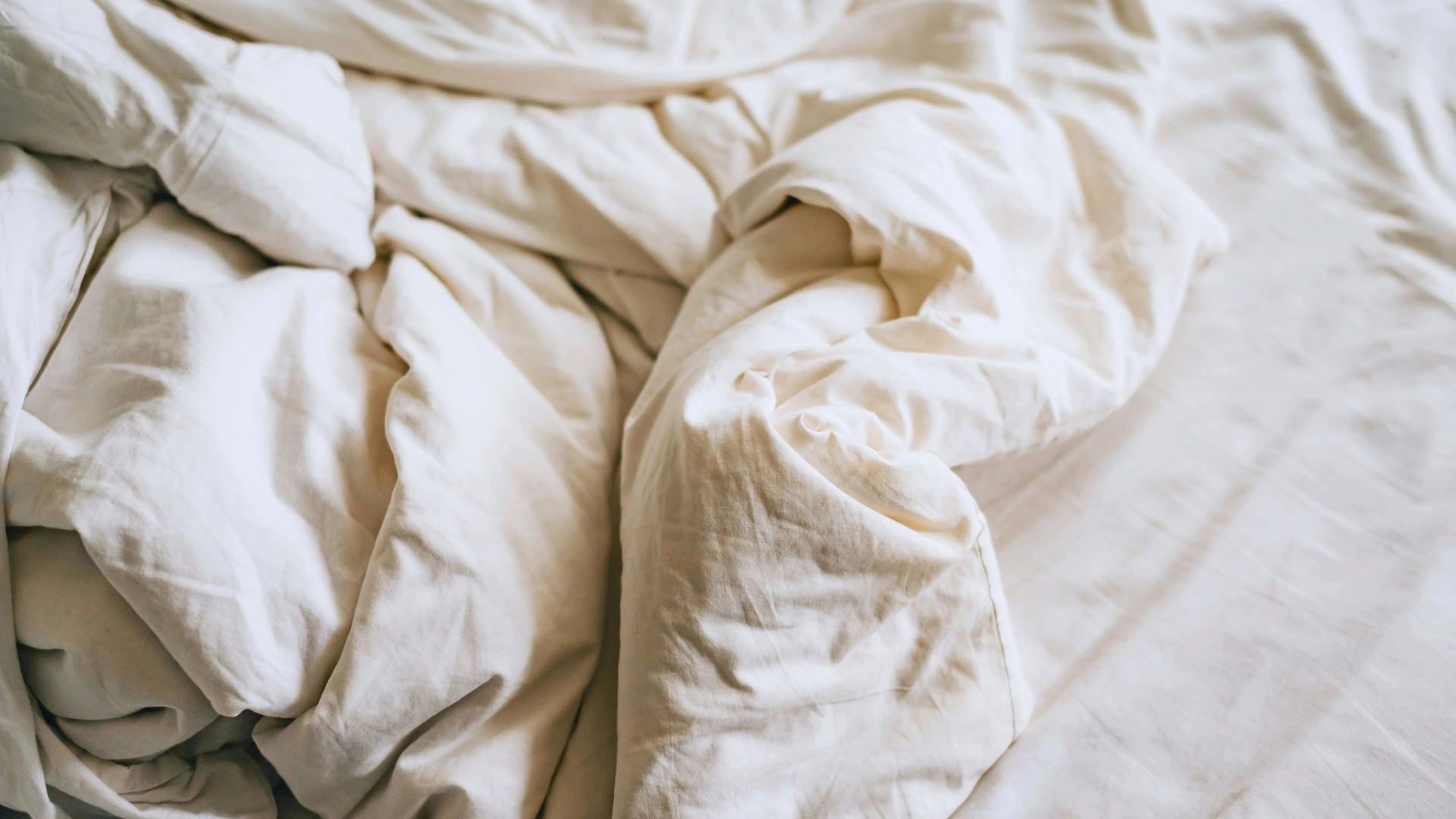
There’s nothing better than wrapping yourself in a fresh, fluffy comforter at the end of a long day. Whether it’s a lightweight summer duvet or a thick winter blanket, these cozy essentials make your home feel warm and inviting.
But when it comes to cleaning comforters and heavy blankets, many homeowners wonder: Can I just toss this into my washing machine? The answer is: Sometimes, but not always.
At Star Bright Cleaners, Albuquerque’s favorite dry cleaner, we’ve seen firsthand what can happen when bulky bedding is washed improperly. From torn seams to clumped filling and even damaged home washers, heavy items require more care than most people realize.
Let’s break down what can and can’t safely go into a home washer.
First Step: Check the Care Label
Before doing anything, it’s important to check the manufacturer’s care instructions. Bedding materials vary widely, and the cleaning method depends on what’s inside.
Common comforter fillings include:
- Cotton
- Down feathers
- Down alternative (polyester fiberfill)
- Wool
- Silk
The outer shell may also be delicate, especially for higher-end or decorative pieces. Ignoring the care label is one of the biggest causes of damage when cleaning comforters and heavy blankets at home.
What Can Usually Go in a Home Washer
1. Lightweight Comforters
If your comforter is thin and labeled “machine washable,” it can typically be cleaned at home, as long as your washer is large enough to handle it. Twin and some full-size lightweight comforters usually work well in high-capacity machines.
Use cold or warm water (depending on label instructions), a gentle cycle, mild detergent, and an extra rinse cycle to remove all soap residue. Avoid fabric softeners, which can coat fibers and reduce breathability. When drying, use low heat and add clean tennis balls or dryer balls to help maintain fluffiness and prevent clumping.
2. Down Alternative Comforters
Most synthetic-filled comforters (often labeled as “down alternative”) are designed to be more washer-friendly than natural down. However, they absorb a significant amount of water and can become extremely heavy during the wash cycle. If your washer is standard-sized rather than high-capacity, this extra weight can throw the drum off balance or cause excessive wear over time.
To clean safely at home:
- Use a gentle cycle
- Choose cold or warm water
- Use minimal detergent to prevent buildup
- Run an extra rinse cycle
Dry on low heat, pausing periodically to shake out and redistribute the filling. Be patient, these comforters often take longer than expected to dry completely.
3. Small to Medium Blankets
Fleece, microfiber, and lightweight cotton blankets typically handle home washing well, making them the easiest bedding items to clean yourself.
Use cold water and a gentle cycle to preserve softness and prevent pilling. For fleece in particular, avoid high heat and fabric softeners, as they can damage fibers and reduce the plush feel.
Even though these blankets are smaller, overloading the washer is still a common mistake. Washing too many at once can prevent proper rinsing and leave detergent trapped in the fabric. As for drying, air drying or tumble drying on low heat works best.
What Should Not Go in a Standard Home Washer
Here’s where problems often begin.
1. Oversized or King-Size Comforters
Even if labeled machine washable, oversized comforters are usually too bulky for standard residential washers. Once soaked with water, they can weigh significantly more than expected, putting serious strain on your machine.
When wet, king-size comforters can:
- Throw the drum off balance during the spin cycle
- Damage suspension rods or internal components
- Cause excessive vibration
- Tear at seams due to heavy pulling
- Leave detergent residue trapped deep inside the filling
Because these large items cannot circulate freely in smaller drums, they often don’t get fully cleaned or rinsed. Professional laundry equipment is specifically designed to handle this weight and bulk safely, allowing proper circulation, rinsing, and controlled drying.
2. Down-Filled Comforters
Down comforters are luxurious, soft, and insulating, but they are also delicate when it comes to washing.
They can easily clump together when exposed to too much agitation or improper drying. Once clumped, the comforter may lose its loft, warmth, and signature fluffiness.
Common risks of home washing include:
- Flattened or uneven filling
- Cold spots due to shifted down
- Persistent damp areas inside the comforter
- Mildew growth if not completely dried
Just as important as washing is the drying process. Down needs to dry completely and evenly to keep its fluffy texture and warmth. Because it holds onto moisture, it often requires longer drying times and plenty of room to tumble freely. If it isn’t fully dried, dampness can stay trapped inside the filling, leading to clumping, lingering odors, or even damage over time.
3. Wool or Silk Blankets
Natural fibers like wool and silk require particularly gentle care. These materials react strongly to heat, water temperature changes, and agitation.
Wool can shrink dramatically if exposed to warm water or agitation, sometimes by several inches. Silk, on the other hand, can weaken, lose its sheen, or become permanently misshapen.
Home washing may result in:
- Shrinkage
- Warping or distortion
- Fiber breakdown
- Fading
- Loss of softness and drape
Additionally, harsh detergents can strip natural oils from wool or damage delicate silk fibers.ty.
4. Heirloom or High-End Bedding
Luxury comforters, embroidered duvets, quilted heirlooms, and sentimental bedding items should never be treated casually. These pieces often contain decorative stitching, specialty trims and embellishments, and fragile materials.
Agitation in a home washer can loosen stitching, snag decorative elements, or weaken aged fabric. Once damaged, these items are often impossible to restore.
The Impact on Your Washing Machine
Many homeowners don’t realize that bulky bedding can damage more than just the comforter. It can harm your washer, too.
When cleaning comforters and heavy blankets at home, the excessive weight (especially once saturated with water) can place significant strain on your machine. Unlike regular clothing, these oversized items absorb a large amount of water, becoming much heavier during the wash and spin cycles.
This added stress can strain the motor, the drum bearings, and even the suspension system. You may notice loud banging during the spin cycle, excessive vibration, or the machine shifting out of place. Over time, repeated heavy loads can lead to premature wear, reduced efficiency, or even costly mechanical failure.
The Drying Step You Might Be Getting Wrong
Even when washing goes well, drying is where most issues happen.
Heavy bedding can take hours to dry completely, leading to the development of damp spots, loss of fluffiness, or the development of odors if moisture remains. Proper drying requires consistent air circulation and space for the item to tumble freely, something most home dryers struggle to provide.
At Star Bright Cleaners, our professional equipment ensures your comforters and blankets are fully cleaned, thoroughly rinsed, and completely dried without damage.
When Professional Cleaning Is the Smarter Choice
Professional cleaning avoids damage to both your bedding and your appliances.
At Star Bright Cleaners, we specialize in handling large household items safely. Our team understands how to clean delicate fabrics, heavy fillings, and oversized pieces using methods designed specifically for them.
As a family-owned and operated business serving Albuquerque for nearly two decades, quality is our top priority. We treat every item as if it were our own.
Our services include:
- Environmentally responsible cleaning
- Careful fabric inspection
- Proper drying techniques to restore fluff and softness
- Gentle handling of specialty fabrics
You’ll get back a comforter that feels fresh, clean, and beautifully maintained.
Final Thoughts: Should You Wash It at Home?
Here’s a simple rule of thumb:
- If it’s lightweight, fits comfortably in your washer, and the care label says it’s safe, you can likely wash it at home.
- If it’s oversized, delicate, expensive, or sentimental, professional cleaning is the safer option.
Ready to Freshen Up Your Bedding?
Don’t risk damaging your favorite comforter or straining your washing machine. Stop by today and experience Albuquerque’s trusted name in fabric care.