Winter changes everything, including the way you do laundry. Colder temperatures, heavier clothing, and frequent layering mean your washer and dryer are suddenly working overtime. Unfortunately, many people continue washing winter garments the same way they do year-round, not realizing that small habits can quietly damage fabrics.
The good news? Most of these issues are preventable with the right knowledge, and in some cases, professional handling makes all the difference.
Below are the most common winter laundry mistakes that ruin fabrics and how to avoid them.
1. Overwashing Heavy Winter Clothing
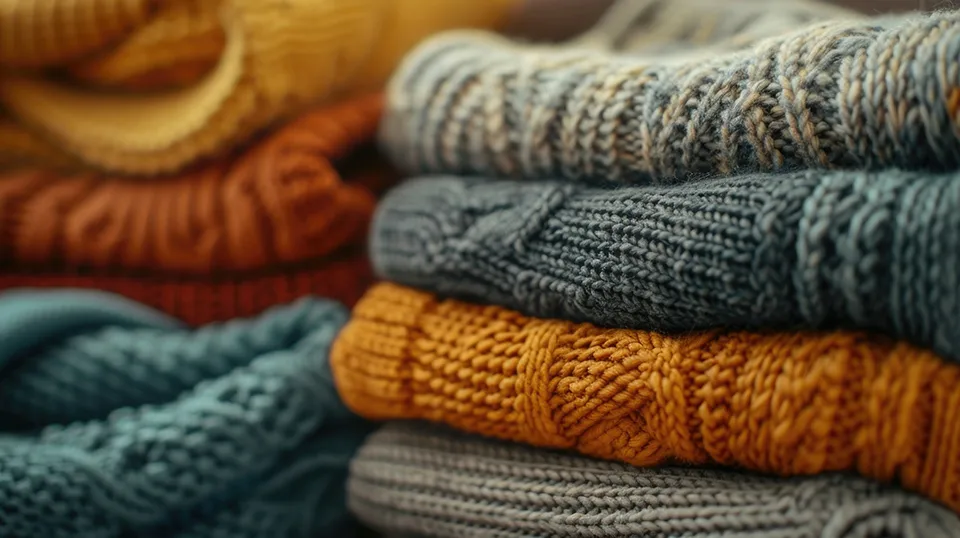
Heavy winter garments don’t need to be washed as often as everyday basics, and overwashing is one of the fastest ways to ruin them. Excess washing breaks down fibers, fades color, and strips away the finishes that help coats, sweaters, and jackets keep their shape and warmth.
When odor is the issue (especially underarms): If you notice armpit odor before a garment looks dirty, resist the urge to throw it straight into the wash. Try these fabric-safe alternatives first:
- Air it out: Hang the garment in a well-ventilated area or outdoors for a few hours. Many odors dissipate naturally.
- Spot-treat only the underarm area: A gentle, fabric-appropriate pretreatment can refresh the area without stressing the whole garment.
- Use undershirts or garment shields: These absorb sweat and oils so outer layers stay fresher longer.
- Professional deodorizing: For structured or delicate items, professional cleaning removes odor at the source without damage.
How often winter fabrics should be washed:
- Wool sweaters: Every 5–7 wears (or sooner if visibly soiled). Wool is naturally odor-resistant.
- Cashmere: Every 6–8 wears; spot clean between washes.
- Coats & jackets (wool or blends): 1–2 times per season, unless stained.
- Down jackets: Once per season, with proper care or professionally cleaned.
- Fleece: Every 3–4 wears; overwashing causes pilling.
Knowing when not to wash is just as important as knowing when to clean. Professional care helps extend the life of winter garments while keeping them fresh and comfortable all season long.
2. Using Hot Water
Cold weather makes hot water tempting, but it’s one of the biggest winter laundry mistakes. Hot water can cause shrinking, fading, and fiber breakdown, especially for knits, dark colors, and synthetic blends.
Wool and performance fabrics are particularly sensitive to heat and agitation, which can permanently alter their structure.
What water temperatures actually mean:
- Cold water: 60–80°F (15–27°C). Best for dark colors, delicates, synthetics, activewear, and odor-prone items. Cold water cleans effectively while protecting fibers and preventing shrinkage.
- Warm water: 90–110°F (32–43°C). Suitable for lightly soiled cottons and blends. Still gentle enough for most everyday items when labels allow.
- Hot water: 120–140°F (49–60°C). Reserved for heavily soiled whites, towels, sheets, and some durable cottons. Not recommended for most winter garments.
3. Overloading the Washer
Winter clothes take up more space, which makes it easy to overload machines. But cramming bulky items into one load prevents proper cleaning and increases friction between garments.
This leads to fabric stretching, incomplete rinsing, and increased pilling and wear
What to do instead:
- Wash bulky items in smaller loads
- Separate heavy fabrics from lighter ones
- Consider wash & fold services equipped for winter-sized loads
4. Improper Drying
Improper drying is one of the most common (and expensive) winter laundry mistakes. Many garments aren’t actually ruined in the wash, but in the dryer.
In winter, heavier fabrics absorb more water and take longer to dry, which increases the risk of damage. Cotton pants can shrink, blended fabrics can twist, and delicate or structured pieces can lose their original shape. Once heat alters fibers, the damage is usually permanent.
To prevent drying-related fabric damage:
- Always check care labels and follow “low heat,” “lay flat,” or “air dry” instructions carefully
- Use the lowest heat setting possible, especially for pants, knits, and blended fabrics
- Remove garments while they are slightly damp and allow them to finish air drying
- Lay sweaters and knits flat instead of hanging them wet to avoid stretching
- Avoid overcrowding the dryer, which causes uneven heat exposure and friction
Proper drying takes patience and attention, but it’s essential for keeping winter clothing looking and fitting the way it should. Professional handling removes the guesswork by using controlled drying methods that protect fabrics, prevent shrinkage, and extend the life of your wardrobe.
5. Ignoring Care Labels (Especially in Winter)
Winter clothing tends to have more complex care instructions due to fabric blends and construction. Ignoring labels often leads to avoidable damage.
Garments marked “hand wash,” “lay flat,” or “dry clean only” exist for a reason, especially when insulation, lining, or structured seams are involved.
What to do instead:
- Check labels before the first wash of the season
- Separate special-care items from everyday laundry
- Use professional services for items with detailed instructions
6. Letting Moisture Sit Too Long
In winter, moisture is harder to eliminate than we realize. Heavier fabrics absorb more water, dryers take longer, and it’s easy to leave damp clothes sitting in the washer, basket, or hamper “just for a bit.” Unfortunately, that short delay can cause long-term damage.
When moisture lingers, it creates the perfect conditions for mildew and musty odors to form. Even clothing that feels mostly dry can trap dampness deep within thicker areas like waistbands, cuffs, seams, and pockets. Over time, this weakens fibers and causes odors that don’t fully disappear, even after rewashing.
To avoid this:
- Always move laundry from the washer to the dryer promptly
- Make sure items are completely dry before folding or storing them
- If something feels even slightly damp, give it extra air time
7. Storing Clothes Before They’re Truly Clean
One of the most overlooked winter laundry mistakes happens at the end of the season. Storing clothes that look clean but aren’t fully cleaned can permanently damage fabrics over time.
Invisible residues from sweat, body oils, deodorant, food, and perfume may not be noticeable when you put clothes away, but they oxidize during storage. Months later, garments can emerge with yellowing, stubborn odors, or fabric deterioration. These residues also attract moths and other pests, especially in natural fibers like wool and cashmere.
To avoid this:
- Make sure every item is thoroughly cleaned and completely dry before storing
- Use proper folding or hanging techniques
- Choose breathable storage solutions
- Consider professional cleaning before storage to remove hidden buildup
Why Professional Handling Makes all the Difference
Winter laundry mistakes often come down to one thing: treating all clothes the same. Professional cleaning accounts for fabric type, weight, color, and construction, especially important during colder months.
A professional wash & fold service ensures:
- Proper sorting and water temperatures
- Gentle cleaning for delicate winter fabrics
- Thorough drying without excessive heat
- Clothes returned ready to wear or store
Convenience That Fits Your Life
Winter schedules are busy, daylight is shorter, and errands feel harder to manage. With our pickup and delivery service, laundry doesn’t have to be one more task competing for your time. It allows you to enjoy professional care without leaving home. Your clothes are handled with care, cleaned correctly, and returned fresh, no guesswork required.
A Little Extra Care Goes a Long Way
Winter laundry mistakes don’t happen all at once. They build slowly (through overwashing, excess heat, and improper drying) until fabrics lose their shape, softness, or color.
By adjusting habits and choosing professional handling when it matters, you can protect your wardrobe and make laundry easier all season long. Sometimes, the best way to care for your clothes is knowing when to hand them off to experts.